Philip Bowen Is Fiddling with Tradition
There’s something inherently powerful about music that knows where it comes from.
For Philip Bowen, that place is Appalachia, a region whose musical traditions have shaped not only how he plays, but how he approaches storytelling itself.
The West Virginia-born singer, songwriter, and fiddler has built a career that moves easily between tradition and the present. His playing has reached millions online, carried him to stages across the country, and found its way onto recordings by household name artists including Noah Kahan, Sam Barber, and 49 Winchester. But beneath that growing profile is an artist interested in something more lasting than a viral moment.
With Appalachia Forever, Bowen turns his attention toward place, memory, and the complicated ways we carry home with us, even as our lives take us farther from it.
This fall, Bowen brings that music to Florida, returning to a state where he once lived and studied, but this time at a very different point in his musical life. Ahead of the shows, we caught up with him to talk about Appalachia, storytelling, building a life in music, and the instrument that has been with him almost from the beginning.

Fiddle has been part of your life since you were four. What does the instrument mean to you after all these years?
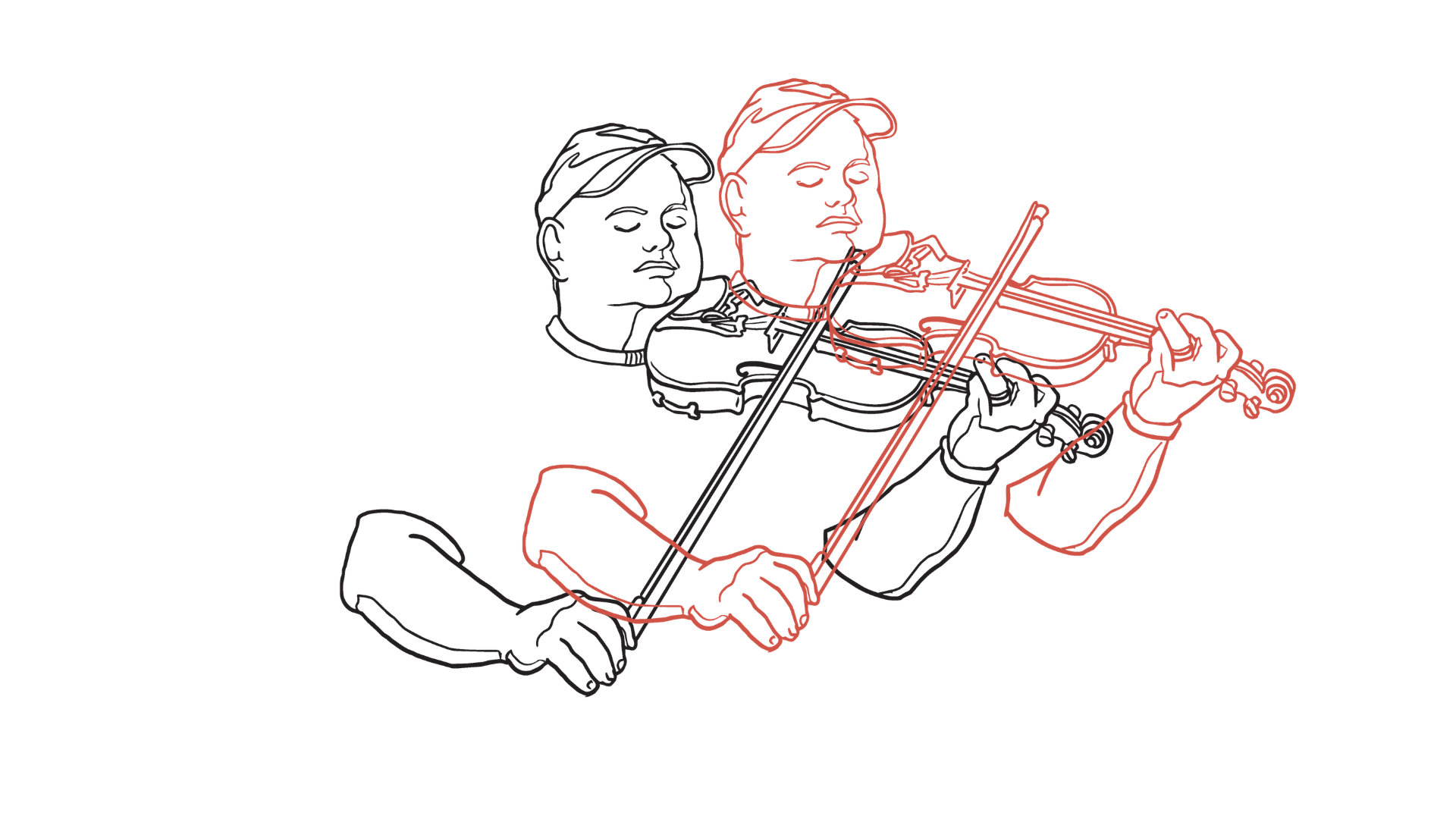
Fiddle is such a huge part of my story with music. If I had to boil it down, I think it lets me reach people in a really unique way while carrying forward the style of playing I heard growing up in West Virginia. The fiddle has opened so many doors for me, and it’s always gonna be my first love musically.
Appalachia Forever feels deeply tied to home. What did you hope people would understand about Appalachia after hearing it?
I always hoped that this record would make people homesick for a place they may have never been, and help them understand more of who I am through these songs. I love hearing how these songs have resonated with people and how they relate them to their own lives.
When you say Appalachia is ultimately about its people, who from home finds their way into your songs?
Our stories are our currency in Appalachia, so you’ll find my grandparents, friends, and neighbors in these tunes. My Pappaw Bill was a notorious yapper who could stretch a story about as far as it could go, so I hear a lot of him in these songs.
A huge part of your audience first discovered you online. What surprised you about seeing that community become a real-world audience?
I think at first I was naive in thinking that everyone who followed me from whatever world they found me through, TV, fiddle covers, originals, whatever, would automatically become a fan of my original music and touring. What I’ve learned is that building that deeper connection takes time. A big part of the journey has been turning people who found me through a TV appearance or viral fiddle video into people who care about my writing and come see the shows. It’s been an incredible journey, but definitely a grind.
Between America’s Got Talent, Mountain Stage, and touring nationally, was there a moment when music stopped feeling like something you were chasing and started feeling like your life?
I’m incredibly thankful to be able to do music as my full-time job. It really hit me the day I finally quit the corporate work I’d been hanging onto as a safety net. It was one of the scariest and most satisfying days of my life.
Authenticity is a thread running through Appalachia Forever. As the audience grows, how do you hold on to that?
My biggest passion is telling good stories that help people make the most of the great times and survive the really bad ones. As things grow, I think the best way for me to stay grounded is to keep writing about real people, real places, grief, joy, family, and all the messy stuff in between. If the songs stay honest and the playing feels like where I grew up, I think I’ll be alright.
Playing on records for Noah Kahan, Sam Barber, and 49 Winchester puts you in a very different role. What has session work taught you about serving someone else’s song?
I always say that being asked to play on someone else’s song is such a huge honor. Session work teaches you to serve the song by giving it that extra layer that doesn’t distract at all from the song’s DNA. The highest praise I can get is when a producer or artist tells me the session work I did makes the song feel complete.
Appalachia contains both incredible beauty and some harder realities. How do you celebrate home without romanticizing it?
I tried to do that with songs like “Vampire in Appalachia,” because I think to really know a place and its people, you have to understand the nuance of the good, the bad, and the ugly. Some of the heavier songs I’ve written have connected because I think people can hear the intention and the heart behind them. I want to write honestly about grief, struggle, and the harder parts of home without writing about those people or places with contempt.
Before this chapter of your career, you earned your MBA at the University of Tampa. What do you remember most about your time in Florida, and what’s it like returning now as a touring musician?
Go Spartans. First off, I loved living in Florida. The last time I played down there was when my college band used to play beach bars for tips, free food, and drinks. I love how Florida feels like it’s on island time and how it’s weird in the best possible way. I love Florida and can’t wait to be back playing some shows.
After a lifetime of playing fiddle, what can still make you feel like a beginner?
Any time I hear Michael Cleveland, Ross Holmes, or Brittany Haas play, I feel like a total amateur.